
Safety & Training for Women
James Fleming · on 18 July 2026 · 8 min read · Last reviewed 18 July 2026
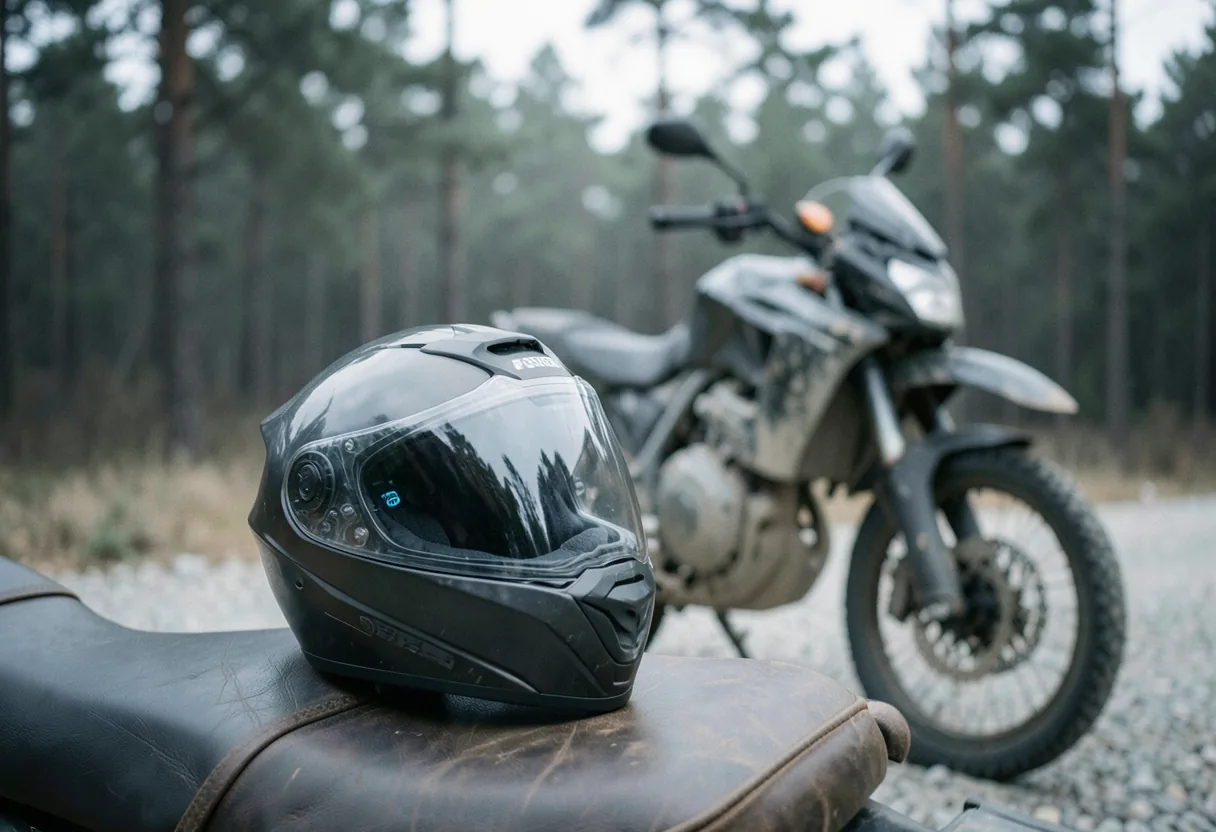
A bluetooth crash helmet is a motorcycle helmet with integrated Bluetooth technology that allows riders to make hands-free calls, listen to music, and communicate with other riders, all while prioritizing safety and adventure readiness. In plain terms: Think of it like a motorcycle helmet that doubles as a smartphone headset, keeping your hands on the handlebars and eyes on the road.
Is a Bluetooth motorcycle helmet worth it?
Yes, a Bluetooth motorcycle helmet is worth it if you value safety, convenience, and connectivity while riding. These helmets eliminate the need to handle your phone, reducing distractions and keeping your focus on the road. According to the National Highway Traffic Safety Administration, distracted driving causes thousands of accidents annually, and hands-free communication can significantly mitigate this risk.
- Bluetooth helmets typically have a range of 300-1000 meters for intercom communication.
- Most models feature voice commands for hands-free operation.
- Battery life varies between 10-30 hours of talk time.
- They often include additional features like GPS integration and FM radio.
What is the best Bluetooth helmet?
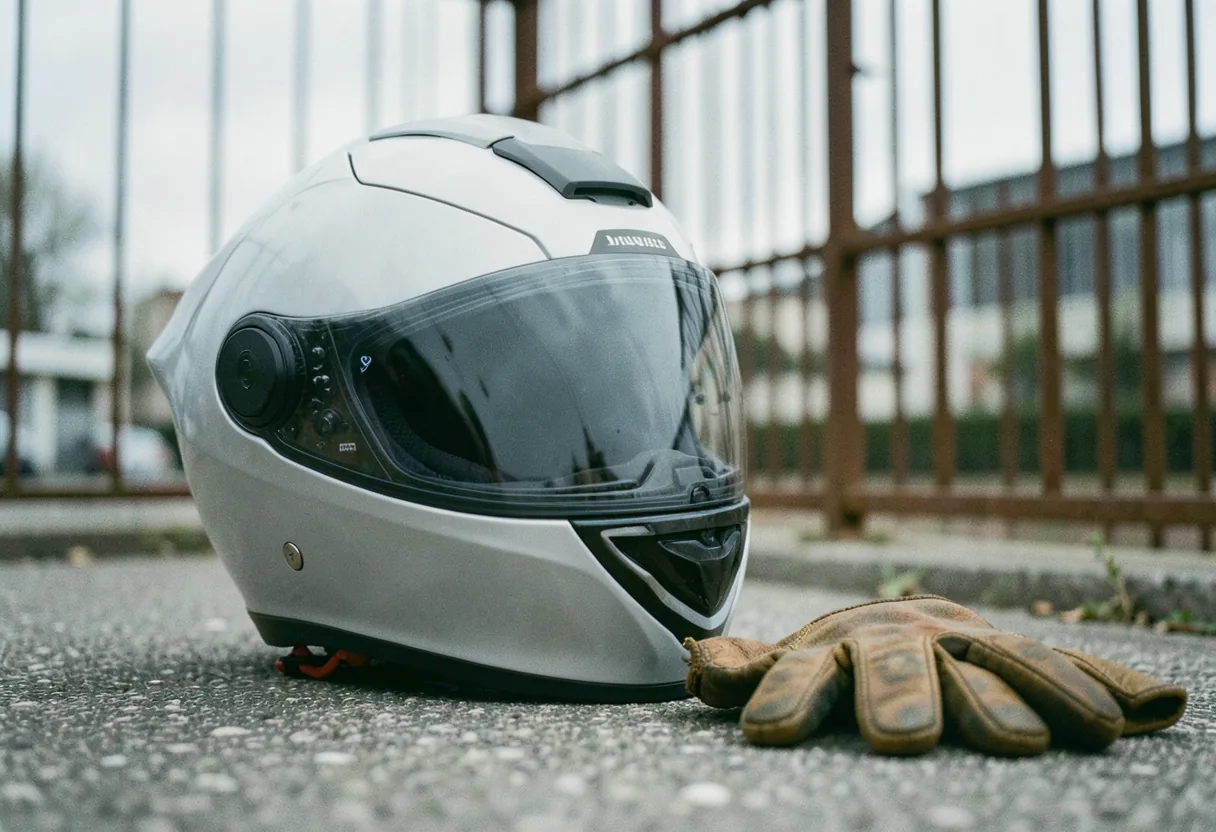
The best Bluetooth helmet depends on your specific needs, but top contenders include the Shoei RF-1200, HJC C70, and Scorpion EXO Covert. These helmets offer a blend of safety, comfort, and advanced Bluetooth features.
In my experience, the Scorpion EXO Covert offers great value with its affordability and solid performance, ideal for adventure riders on a budget. Yet, those seeking premium features might consider the Shoei RF-1200 is a top-tier option with excellent noise reduction and a comfortable fit.
Can you talk on the phone with a Bluetooth motorcycle helmet?
Yes, you can talk on the phone with a Bluetooth motorcycle helmet. Most models support hands-free calling, allowing you to answer and end calls with voice commands or button controls on the helmet.
What helmet has DOT approved Bluetooth?
Several helmets with DOT approval feature integrated Bluetooth systems. Notable examples include the HJC C70 and the Scorpion EXO CovertThese helmets meet the Department of Transportation’s safety standards and provide excellent connectivity.
Motorcycle helmet with built-in camera and Bluetooth
A motorcycle helmet with a built-in camera and Bluetooth, such as the Livewire Sena, allows you to record your rides and stay connected simultaneously. These helmets are ideal for adventure riders who want to capture their experiences and communicate with fellow riders.
Bluetooth crash helmet review
When reviewing a Bluetooth crash helmet, consider factors like comfort, noise reduction, battery life, and ease of use. The Shoei RF-1200 and HJC C70 are often praised for their balanced features and reliable performance.
Best bluetooth crash helmet
The best Bluetooth crash helmet for you depends on your riding style and preferences. The Shoei RF-1200 is a top choice for its premium features and comfort, while the Scorpion EXO Covert offers excellent value for money.
Bluetooth motorcycle Helmet Kit
A Bluetooth motorcycle helmet kit, like the Sena SMH10, can be installed in most helmets, providing a cost-effective solution for riders who already own a helmet but want to add Bluetooth functionality.
Cardo Bluetooth motorcycle helmet
The Cardo Packtalk Bold is a popular choice among Bluetooth motorcycle helmets, known for its advanced features like mesh intercom technology and long-range connectivity.
Motorcycle Half Helmet with Bluetooth
Motorcycle half helmets with Bluetooth, such as the HJC CL-17, offer a blend of style and functionality. These helmets are ideal for riders who prefer a minimalist design without compromising on connectivity.
Motorcycle helmet with Bluetooth Headset
A motorcycle helmet with a Bluetooth headset, like the Scorpion EXO Covert, provides hands-free communication and entertainment options, enhancing the riding experience.
Custom motorcycle helmets with Bluetooth
Custom motorcycle helmets with Bluetooth, such as those offered by Bell and Schuberth, allow riders to personalize their gear while enjoying advanced connectivity features.
Bluetooth helmets vs intercoms
Bluetooth helmets offer integrated connectivity, while standalone intercoms like the FodSPOT S2 can be added to existing helmets. Helmets with built-in Bluetooth provide a more integrated experience, but intercoms offer flexibility and can be shared among multiple riders.
How to choose
To choose the best Bluetooth crash helmet, consider the following criteria:
- Safety Certifications: Ensure the helmet meets DOT, ECE, or SNELL standards.
- Comfort: Look for adjustable padding and a secure fit.
- Battery Life: Opt for a helmet with a battery life that suits your riding needs.
- Connectivity Range: Choose a helmet with a range that allows for group riding communication.
- Additional Features: Consider helmets with built-in cameras, GPS, or FM radio.
In my experience, the Scorpion EXO Covert offers a great balance of features and affordability, making it an excellent choice for adventure riders. However, if you prioritize premium comfort and noise reduction, the Shoei RF-1200 is a top-tier option.
Operating systems
Bluetooth helmets typically work with both iOS and Android devices, providing reliable connectivity no matter your smartphone’s operating system.
When selecting a bluetooth crash helmet, prioritize safety certifications and comfort to ensure a secure and enjoyable riding experience. Additionally, consider the helmet’s battery life and connectivity range to meet your specific needs. With the right Bluetooth helmet, you can enhance your adventure riding with hands-free communication and entertainment options.
| Helmet Model | DOT Approved | Battery Life | Intercom Range | Additional Features |
|---|---|---|---|---|
| Shoei RF-1200 | Yes | 10 hours talk time | Up to 1000 meters | Noise reduction, GPS integration |
| HJC C70 | Yes | 12 hours talk time | Up to 500 meters | Built-in camera, FM radio |
| Scorpion EXO Covert | Yes | 8 hours talk time | Up to 400 meters | Affordable, comfortable fit |
| Helmet Model | Price Range | Comfort Features | Compatibility |
|---|---|---|---|
| Shoei RF-1200 | a typical market rate-a typical market rate | Adjustable padding, breathable liner | iOS and Android |
| HJC C70 | a typical market rate-a typical market rate | Moisture-wicking interior, ventilation system | iOS and Android |
| Scorpion EXO Covert | a typical market rate-a typical market rate | Removable and washable liner, adjustable visor | iOS and Android |
For women adventure riders, prioritizing a helmet with a comfortable fit and advanced safety features is crucial. The Shoei RF-1200 and Scorpion EXO Covert are excellent choices that cater to both safety and connectivity needs.
How do Bluetooth helmets handle noise reduction?
Advanced engineering and materials enable noise reduction in Bluetooth helmets. The Shoei RF-1200, for instance, uses a multi-layered shell and noise-reducing cheek pads to minimize wind and road noise. This ensures clear audio quality for calls and music, even at high speeds.
- Noise reduction in Bluetooth helmets can reduce ambient noise by up to 30 decibels.
- High-end models often feature aerodynamic designs to minimize wind noise.
- Active noise cancellation technology is available in some premium helmets.
- Proper helmet fit is crucial for effective noise reduction.
What are the best Bluetooth helmets for long-distance riding?
Top Bluetooth helmets for long-distance riding feature excellent comfort, long battery life, and reliable connectivity. The Schuberth C5 is renowned for its superior comfort and advanced noise reduction, making it ideal for long rides. The HJC i70 also offers excellent features for extended journeys.
How do you maintain a Bluetooth motorcycle helmet?
Maintaining a Bluetooth motorcycle helmet involves regular cleaning, checking the battery, and ensuring the Bluetooth module is functioning properly. Clean the helmet with mild soap and water, avoiding harsh chemicals that can damage the electronic components. Regularly check the battery life and update the firmware to ensure optimal performance.
| Maintenance Task | Frequency | Steps |
|---|---|---|
| Cleaning | Monthly | Use mild soap and water, avoid harsh chemicals. |
| Battery Check | Weekly | Ensure the battery is fully charged and replace if necessary. |
| Firmware Update | Quarterly | Check for updates and install them to keep the system running smoothly. |
For long-distance riders, choosing a Bluetooth helmet with a long battery life and advanced noise reduction is essential. The Schuberth C5 and HJC i70 are excellent options that cater to the needs of adventure riders on extended journeys.
How do Bluetooth helmets integrate with smart devices?
Connecting easily with smart devices, these helmets have built-in Bluetooth modules. Most helmets work with both iOS and Android devices, letting riders pair their phones without hassle. This connection supports features like hands-free calling, music streaming, and GPS navigation, improving the riding experience.
- Most Bluetooth helmets support Bluetooth 4.1 or higher for better connectivity.
- Helmets often come with companion apps for additional customization and control.
- Voice commands are a common feature for managing smart device integration.
- Some helmets offer integration with popular navigation apps like Google Maps and Waze.
What are the benefits of using a Bluetooth helmet for group rides?
Using a Bluetooth helmet for group rides offers improved communication, enhanced safety, and better coordination. With intercom features, riders can stay connected over long distances, ensuring everyone remains informed and alert. This is particularly useful for maintaining formation and responding to changing road conditions.
- Intercom ranges typically extend up to 1000 meters, depending on the model.
- Group intercom systems allow up to 16 riders to connect simultaneously.
- Voice-activated controls enable hands-free communication during group rides.
- Shared music streaming can enhance the group riding experience.
| Helmet Model | Intercom Range | Number of Connectable Riders | Voice-Activated Controls |
|---|---|---|---|
| Shoei RF-1200 | Up to 1000 meters | Up to 6 riders | Yes |
| HJC C70 | Up to 500 meters | Up to 4 riders | Yes |
| Scorpion EXO Covert | Up to 400 meters | Up to 3 riders | Yes |
In my experience, regular maintenance of a Bluetooth helmet ensures its longevity and optimal performance. By following simple steps like regular cleaning and battery checks, you can enjoy a smooth riding experience with your Bluetooth crash helmet.
Choosing a Bluetooth helmet requires prioritizing features that cater to your specific riding needs, whether it’s long-distance comfort, group ride connectivity, or smart device integration. With the right Bluetooth helmet, you can enhance your adventure riding with hands-free communication and entertainment options.
Frequently asked questions
How does a Bluetooth crash helmet enhance rider safety?
Bluetooth crash helmets integrate communication systems, allowing riders to stay connected without handling devices. Features like voice commands for navigation and emergency alerts reduce distractions. Advanced models also include impact sensors that automatically notify emergency contacts in a crash.
What are the key differences between standard helmets and Bluetooth helmets?
Standard helmets prioritize impact protection, while Bluetooth helmets add connectivity. The latter often include built-in microphones, speakers, and touch controls. Some models offer heads-up displays for navigation, though this adds weight. Both must meet safety certifications like DOT or ECE.
Can Bluetooth helmets interfere with other electronics?
Modern Bluetooth helmets use low-power, short-range signals to minimize interference. They operate on specific frequencies to avoid disrupting vehicle electronics or medical devices. Riders should ensure their helmet's firmware is updated to prevent compatibility issues with newer tech.
What maintenance is required for a Bluetooth helmet?
Regularly clean the helmet's exterior with mild soap to avoid damaging the Bluetooth components. Check battery life and charge as needed. Avoid exposing the helmet to extreme temperatures, which can degrade both the protective shell and electronic parts. Replace the helmet after any significant impact.