
Himalayan Riding: A Journey Through the Roof of the World
James Fleming · on 18 July 2026 · 4 min read · Last reviewed 18 July 2026
Himalayan riding is an exhilarating adventure that takes you through some of the world’s most breathtaking landscapes, where women adventure riders conquer challenging terrains and experience the thrill of high-altitude journeys.
In plain terms: Imagine weaving through towering peaks and winding valleys on two wheels, feeling the crisp mountain air as you navigate the same routes that have inspired explorers for generations, that’s the essence of Himalayan riding.
Key facts
- The Himalayas stretch across five countries: India, Nepal, Bhutan, China, and Pakistan.
- Himalayan riding typically involves altitudes between 3,000 and 5,000 meters (9,800 and 16,400 feet).
- The region is home to some of the world’s highest motorable roads, such as the Khardung La pass in India, which reaches 5,359 meters (17,582 feet).
- According to the India Today, the Himalayas attract thousands of adventure riders annually, with a growing number of women adventure riders.
The roof of the world
The Himalayas are often referred to as the “roof of the world” due to their towering peaks and unparalleled beauty.
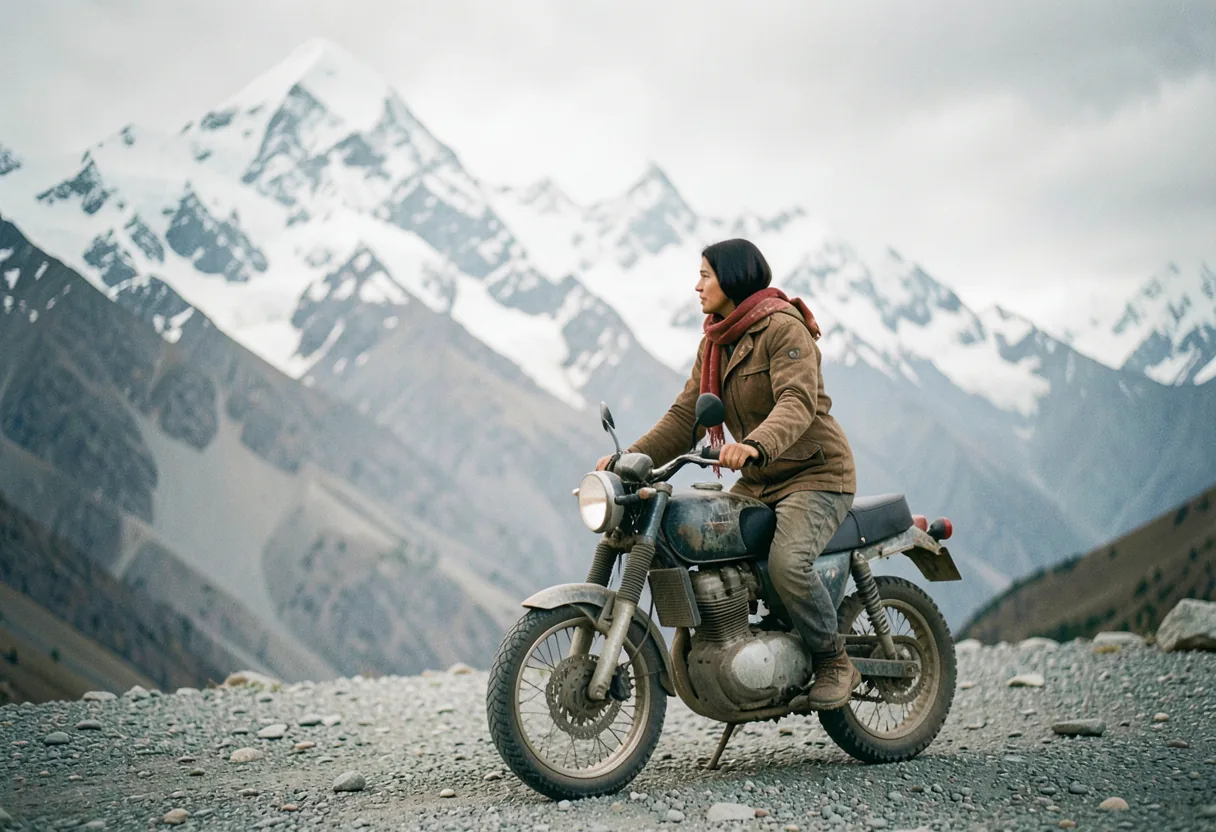
The Himalayas offer a diverse range of terrains, from lush valleys to barren deserts, making it a unique destination for women adventure riders. The region’s high altitude and unpredictable weather conditions add an extra layer of challenge and excitement. According to the Women in Bike: The Ultimate Guide to Adventure Riding, the Himalayas are a popular destination for women adventure riders seeking to test their skills and push their limits.
Famous women adventure riders in the Himalayas
Several women have made a name for themselves by conquering the Himalayas on two wheels.
One such rider is Rose Padilla: Inspiring Women in Adventure Motorcycling, who has completed multiple solo journeys through the Himalayas. Her adventures have inspired countless women to take up adventure riding. Another notable rider is Rose Padilla: Inspiring Women in Adventure Motorcycling, who has documented her Himalayan expeditions extensively, sharing her experiences and tips with the adventure riding community. These riders have not only conquered the challenging terrains but have also broken stereotypes and paved the way for more women to join the adventure riding community.
Women adventure riders near me
Finding a community of women adventure riders can enhance your Himalayan riding experience.
To connect with local women adventure riders, consider joining online forums or social media groups dedicated to adventure riding. The How the Motorcycle Girlfriend Dynamic community is a great place to start, offering support, shared experiences, and local meetups. Additionally, attending motorcycle events and rallies can help you network with like-minded riders and discover local riding groups. According to the Women in Bike: The Ultimate Guide to Adventure Riding, many cities have active women adventure riders’ clubs that organize group rides and social events.
Essential gear for Himalayan riding
The right gear is crucial for a safe and enjoyable Himalayan riding experience.
Invest in high-quality riding gear designed for high-altitude conditions. This includes a durable helmet, waterproof riding suit, insulated gloves, and sturdy boots. Additionally, pack layers of warm clothing, as temperatures can drop significantly at higher altitudes. A reliable GPS device and a first-aid kit are also essential. The Women in Bike: The Ultimate Guide to Adventure Riding recommends carrying a portable air compressor and a puncture repair kit, as mechanical support can be scarce in remote areas.
Overcoming the difficulties of riding in the Himalayas
Himalayan riding presents unique challenges that require preparation and skill.
One of the primary challenges is the high altitude, which can cause altitude sickness. To mitigate this, acclimatize by spending a few days at lower altitudes before attempting higher passes. The unpredictable weather is another challenge, with sudden rain, snow, or fog. Always check the weather forecast and be prepared for rapid changes. Mechanical issues can also arise, so ensure your motorcycle is in top condition before embarking on your journey. The Be the Boss of Your Motorcycle: Confidence on Two Wheels offers valuable tips on motorcycle maintenance and troubleshooting.
Planning your Himalayan riding adventure
Proper planning is key to a successful Himalayan riding adventure.
Begin by looking into your path and the terrain, weather, and local rules. Make a thorough plan with breaks, fuel stops, and places to stay. Confirm your motorcycle is maintained and has the right tools and spare parts. Bring important papers like your license, registration, and insurance. The c90-adventures offers advice on preparing for adventure riding, including route ideas and packing lists.
Women Adventure Riders Hub: A supportive community
Women Adventure Riders Hub is a vibrant community dedicated to supporting and inspiring women adventure riders.
The hub offers a platform for women to share their experiences, seek advice, and connect with fellow riders. With over 6.1K members, the community is a valuable resource for new and experienced riders alike. The hub’s group rules emphasize respect, inclusivity, and a shared passion for adventure riding. According to the hub’s admins, the community organizes regular group rides, workshops, and social events to foster camaraderie and skill development.
To truly experience the magic of Himalayan riding, embrace the challenges and immerse yourself in the breathtaking landscapes. The journey is as rewarding as the destination, and the memories you create will last a lifetime.
Frequently asked questions
What distinguishes Himalayan riding from other mountain biking experiences?
Himalayan riding stands apart due to its extreme altitude, thin air, and rugged terrain. Trails often exceed 3,000 meters, demanding both technical skill and physical endurance. Unlike other regions, the Himalayas offer a unique mix of high-altitude deserts, dense forests, and glacial valleys, creating a diverse and challenging experience.
How does altitude affect performance during Himalayan rides?
Altitude significantly impacts riders due to reduced oxygen levels. At elevations above 3,000 meters, performance can drop by up to 20%. Riders often need 1-2 weeks to acclimatize, adjusting training and hydration strategies. Proper pacing and listening to your body are crucial to avoid altitude sickness.
What essential gear is necessary for Himalayan riding?
Essential gear includes a high-quality, full-suspension mountain bike with durable tires, a helmet, and protective padding. Layered clothing to handle temperature swings, gloves, and sunglasses with UV protection are vital. Carry a repair kit, extra tubes, and a reliable GPS device, as trails can be remote and unpredictable.
Are there specific seasons ideal for Himalayan riding?
The best seasons for Himalayan riding are spring (April-June) and autumn (September-November). During these periods, weather conditions are stable, with clear skies and moderate temperatures. Summer brings heavy rains and landslides, while winter sees extreme cold and snow, making trails inaccessible.