
Gloves for Motorcycle: Grip and Safety
Amanda Callahan · on 18 July 2026 · 5 min read · Last reviewed 18 July 2026
Gloves for motorcycle are protective gear designed for riders, offering a crucial balance of grip, safety, and comfort on the road.
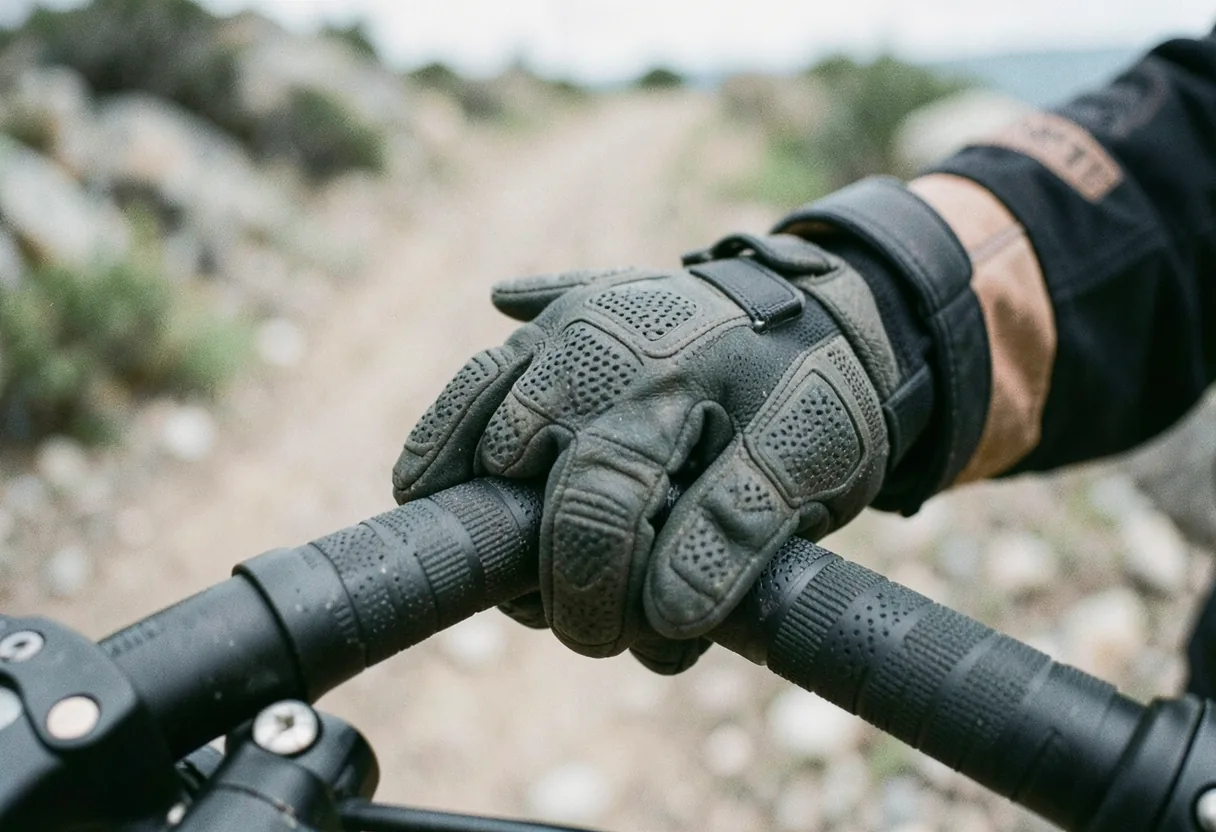
- Motorcycle gloves typically feature reinforced palms, knuckle protection, and abrasion-resistant materials.
- They come in various styles, including full-finger, fingerless, and heated options, catering to different weather conditions and riding preferences.
- According to the National Highway Traffic Safety Administration (NHTSA), gloves can significantly reduce the risk of hand injuries in case of an accident.
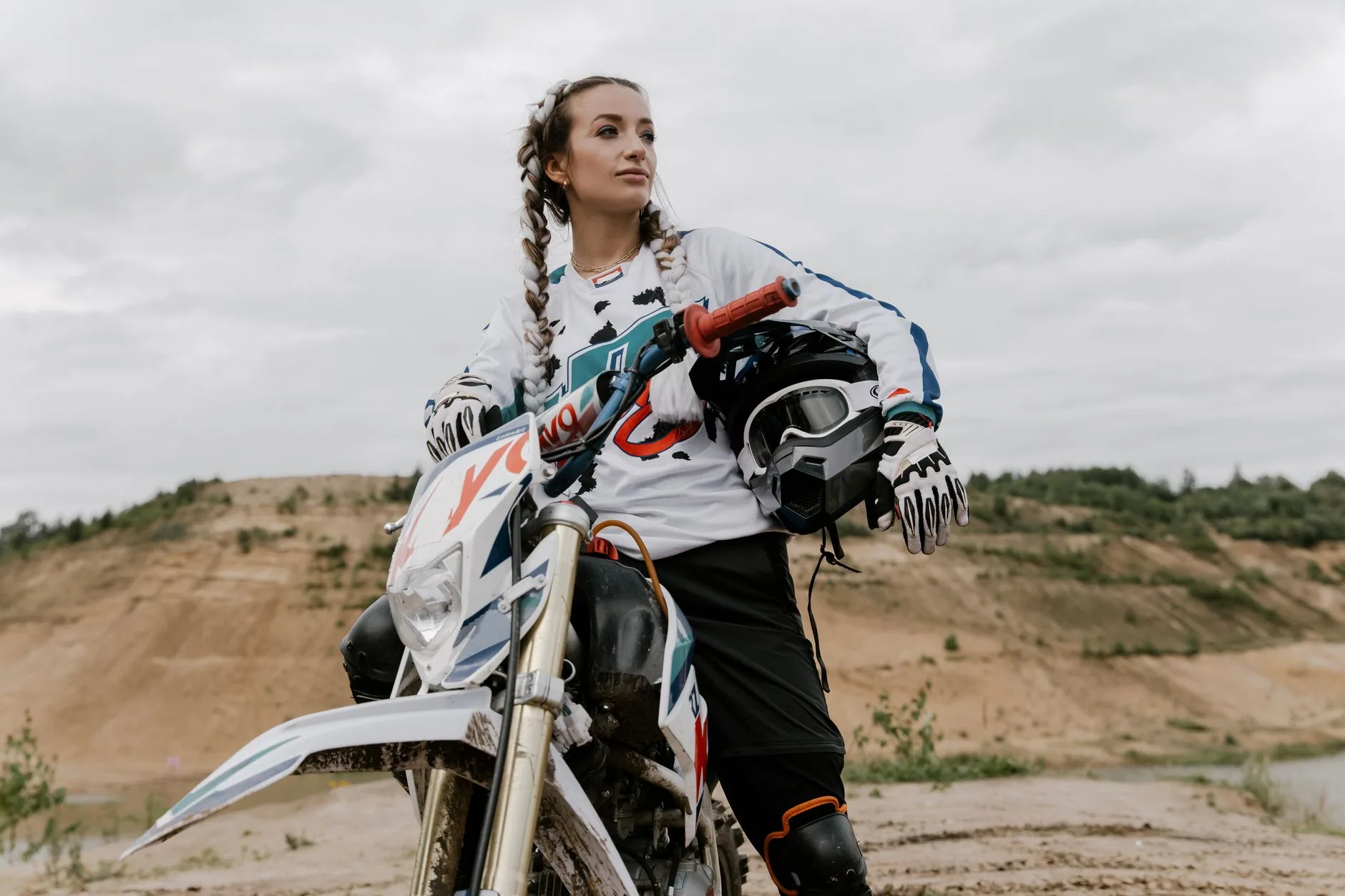
- Gloves designed for women adventure riders often incorporate ergonomic designs and smaller sizes to ensure a better fit.
Types of gloves for motorcycle
Motorcycle gloves are categorized primarily by their intended use and the level of protection they offer.
| Type | Protection Level | Typical Use | Weather Suitability |
|---|---|---|---|
| Full-finger gloves | High | All types of riding | All weather, especially cold |
| Fingerless gloves | Medium | Casual riding, warm weather | Warm weather |
| Heated gloves | High | Cold weather riding | Cold weather |
| Track gloves | Very High | Racing, high-speed riding | All weather |
Top brands of gloves for motorcycle
Several brands stand out for their quality, innovation, and popularity among women adventure riders.
| Brand | Key Features | Price Range |
|---|---|---|
| Alpinestars | High-impact protection, ergonomic design, breathable materials | a typical market rate – a typical market rate |
| Dainese | Advanced technologies, stylish designs, excellent fit | a typical market rate – a typical market rate |
| Rev’It! | Durable, comfortable, eco-friendly materials | a typical market rate – a typical market rate |
| Scorpion | Affordable, protective, versatile styles | a typical market rate – a typical market rate |
Alpinestars gloves for motorcycle: Best for adventure riders
Alpinestars gloves for motorcycle are renowned for their high-impact protection and ergonomic design, making them a top choice for women adventure riders.
The brand’s gloves often feature pre-curved fingers, reinforced palms, and breathable materials, ensuring both comfort and safety. The Alpinestars T-GP Plus R gloves, for instance, offer excellent knuckle protection and are suitable for various riding conditions. However, they can be on the pricier side, which might not be ideal for riders on a tight budget.
Dainese gloves for motorcycle: Best for style-conscious riders
Dainese gloves for motorcycle combine advanced technologies with stylish designs, appealing to riders who prioritize aesthetics without compromising safety.
Dainese’s gloves often incorporate technologies like the patented D-Skin™ material for abrasion resistance and the Distortion Control System (DCS) for impact protection. The Dainese Torque Axial EVO gloves are a popular choice, offering a perfect blend of style and protection. However, their high price point might be a drawback for some riders.
Material options for gloves for motorcycle
Gloves for motorcycle are made from a variety of materials, each offering unique benefits in terms of protection, comfort, and durability.
| Material | Protection Level | Comfort | Durability | Weather Suitability |
|---|---|---|---|---|
| Leather | High | Moderate to High | High | All weather, but can be hot in summer |
| Textured Synthetic Fiber | Medium to High | High | Medium to High | All weather, often more breathable than leather |
| Mesh | Low to Medium | High | Low to Medium | Warm weather, not suitable for cold or wet conditions |
| Kevlar | Very High | Moderate | Very High | All weather, but can be less comfortable in hot conditions |
How to maintain gloves for motorcycle
To extend the lifespan of your gloves for motorcycle and ensure they continue to provide optimal protection, regular maintenance is essential.
- Clean regularly: Remove dirt and sweat to prevent deterioration. For leather gloves, use a mild soap and water solution, while synthetic gloves can often be machine washed.
- Condition leather gloves: Apply a leather conditioner to keep the material supple and prevent cracking. This should be done every few months, or more frequently in dry climates.
- Store properly: When not in use, store your gloves in a cool, dry place away from direct sunlight. Avoid leaving them in your saddle bags or exposed to extreme temperatures.
- Inspect for damage: Regularly check your gloves for signs of wear and tear, such as holes, frayed seams, or worn-out padding. If you notice any damage, consider repairing or replacing the gloves.
- Avoid harsh chemicals: Exposure to chemicals like gasoline, oil, or strong detergents can damage the materials of your gloves. Always rinse off any spills immediately.
How to choose gloves for motorcycle
To choose the right gloves for motorcycle, consider the following criteria:
- Protection level: Assess the type of riding you do and choose gloves with appropriate protection levels.
- Fit: Ensure the gloves fit snugly but not too tight, allowing for good dexterity and comfort.
- Material: Look for gloves made from durable, abrasion-resistant materials like leather or textured synthetic fiber.
- Weather suitability: Choose gloves that suit the weather conditions you typically ride in, whether it’s hot, cold, or wet.
- Brand reputation: Opt for well-known brands like Alpinestars, Dainese, Rev’It!, or Scorpion, which are trusted for their quality and performance.
Famous women adventure riders
Several women adventure riders have gained fame for their incredible journeys and contributions to the motorcycling community.
One notable figure is Women's Moto Helmet: Safety Meets Style. Her adventures and advocacy for women in motorcycling have inspired countless riders. Another prominent rider is Womens Motorcycle Boots: Comfort and Protection, known for her long-distance rides and commitment to safety gear.
Meeting other riders and joining communities can greatly enhance your riding experience. Look for local groups or online forums dedicated to women adventure riders. These communities often organize group rides, share safety tips, and provide support for new and experienced riders alike.
To find women adventure riders near you, consider joining online platforms like the Women Adventure Riders Hub or attending local motorcycle events. Engaging with these communities can provide valuable insights, friendship, and a sense of belonging in the motorcycling world.
Remember, the right gloves for motorcycle are an essential part of your riding gear, ensuring both safety and comfort on your adventures. Whether you’re a seasoned rider or just starting out, investing in quality gloves is a decision you won’t regret.
Frequently asked questions
Which materials offer the best grip for motorcycle gloves?
Synthetic leather and textile blends dominate. Synthetic leather mimics traditional leather's feel but resists water better. Textiles like polyester or nylon often incorporate rubber grips or silicone prints on palms and fingers. Full-grain leather remains popular for its durability and abrasion resistance, though it requires more maintenance.
How do reinforced knuckles improve safety?
Hard plastic or carbon fiber shells deflect impacts. Some gloves add padding underneath. Research shows knuckle protection reduces hand injuries by 60% in crashes. Look for gloves meeting CE EN 13594 standards. Armored knuckles also protect against debris and weather exposure while riding.
What glove thickness is ideal for year-round use?
Aim for 0.8mm to 1.2mm leather or equivalent textile thickness. Thinner gloves allow better bar feel but offer less protection. Lined gloves with removable thermal inserts work well. For summer, perforated designs improve airflow. Winter gloves use insulated liners but may sacrifice dexterity.
How often should motorcycle gloves be replaced?
Inspect gloves monthly. Replace if you see cracks, fraying, or worn-out grips. Gloves involved in crashes should be discarded immediately. Most experts recommend replacing gloves every 2-3 years for casual riders. Professional riders may need new gloves every year due to heavier wear.